
What's Actually Included in a Yogyakarta 5D4N Package
20 July 2026
 Published on 01 July 2026
 202x views


3 days works for Yogyakarta's iconic monuments Borobudur, Prambanan, and the city core if you accept a fast-paced schedule. 5 days works better for travelers who want culture, adventure, and enough recovery time between long transfer days to actually enjoy what they're seeing. That's the real answer to 3 days vs 5 days Yogyakarta.
The core trade-off is efficiency versus depth. Most first-time visitors underestimate one specific factor: transfer times between the city, temple zones, volcano routes, cave areas, and southern beaches. What looks like a 30-kilometer drive on a map can eat 90 minutes each way with traffic. This article covers what fits realistically in each format, who each length suits, and the mistakes travelers usually realize a day or two too late.
Three days covers Yogyakarta's headline attractions if you focus tightly and skip the outlying adventure stops. It's a real itinerary just a fast one.
Three focused days typically break into: one Borobudur block (sunrise or morning visit, nearby temple cluster, return to the city by lunch), one Prambanan block (temple complex, optional Ramayana Ballet in the evening), and one city block (Kraton, Taman Sari, Malioboro, food and shopping). A skilled operator can squeeze in one adventure add-on like Merapi jeep, but not without compressing something else. Traffic windows matter morning departures before 6 AM and returns after 8 PM avoid the worst congestion, but they also stack fatigue after two consecutive predawn starts.
Travelers on a Java multi-city route with limited leave days and a bigger regional itinerary ahead. Repeat Indonesia visitors who've already covered the cave and beach circuits on prior trips. Budget-conscious travelers focused on the essentials rather than range. Couples and small groups comfortable with early wake-ups and a fast-moving schedule.
Guest feedback consistently shows this profile leaves satisfied: they knew what they signed up for, they hit the icons, and they moved on to the next city with a clear sense of what Yogyakarta offers. Travelers who wanted "just a taste before Bali" tend to rate 3 days highly.
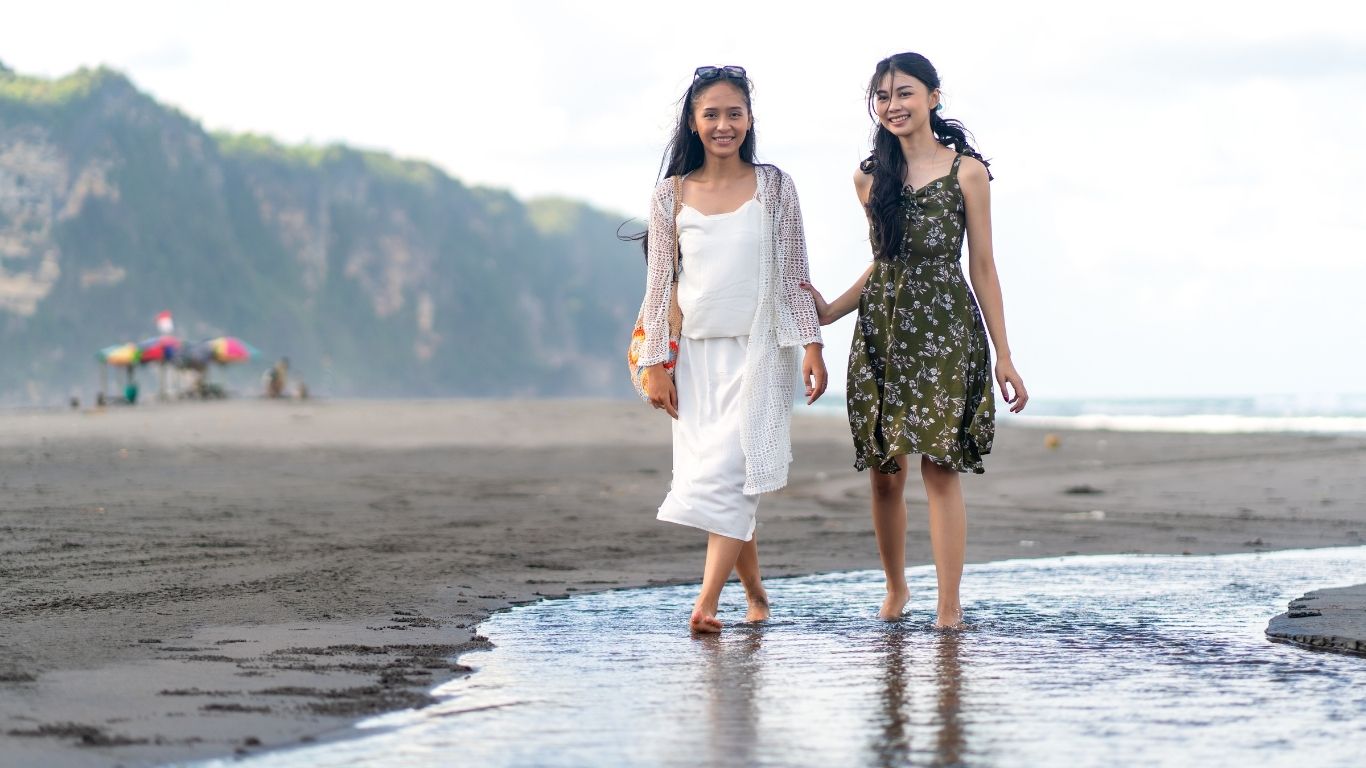
Five days changes Yogyakarta from a temple-focused sprint into a more balanced trip that includes adventure, local craft, and recovery time between long route days.
Some experiences don't fit into a 3-day frame without breaking the schedule. Jomblang Cave operates on fixed timed sessions and typically consumes a full commitment day. Timang Beach and the south coast sit 2 to 3 hours south of the city and depend on weather, tide, and gondola queue conditions. A Merapi jeep tour combined with a temple day works only when the schedule has buffer for both. Kotagede silver workshops, batik hands-on sessions, and evening food circuits are what turn a Yogyakarta trip from "temple tourism" into a genuine Yogyakarta culture experience and they need daylight hours you don't have on a 3-day plan.
Adventure days can derail city plans if packed too tightly. A late return from Timang or a delayed Jomblang session pushes back dinner and eliminates any evening activity. Five days absorbs that risk. Three days doesn't.
Five days delivers three things that shorter itineraries can't: weather backup (a clouded-over sunrise at Borobudur becomes recoverable), energy management between predawn temple starts and midnight cave descents, and time to eat, shop, and stay out for evening performances instead of racing back to the hotel to sleep before another 4 AM alarm.
A specific traveler-regret pattern shows up often in feedback: "we saw the icons, but Jogja itself felt rushed." That's the trade-off. On 3 days, you visit Yogyakarta. On 5 days, you experience it. For travelers who want the full arc, Jotuu's Yogyakarta Five Days Tour covers temples, adventure, culture, and city life with proper pacing built in.
Beyond the obvious duration difference, three specific blind spots trip up almost every first-time planner.
Yogyakarta looks compact on a map. It isn't. Borobudur sits 40 kilometers northwest of the city center. Prambanan is 17 kilometers east. Jomblang Cave is 50 kilometers southeast. Timang Beach is 75 kilometers south. Merapi's viewpoint access adds another 25 kilometers north. Combining even two of these on the same day involves real driving, and the "attractions close together" mental model breaks down fast.
Travel time changes the feel of a day more than the number of attractions does. Three stops with 3 hours of driving between them feels harder than five stops in a tight urban cluster. That's why the Borobudur Prambanan Merapi combo exists as a single organized package stitching those three specifically into one day requires practiced routing.
Seeing more pins on a map isn't the same as experiencing Yogyakarta well. A traveler who does Borobudur, Prambanan, Kraton, Taman Sari, and Malioboro in 48 hours has "checked off" the city but hasn't tasted gudeg at a family warung, hasn't tried batik wax on their own hands, hasn't sat through a full gamelan session, and hasn't watched Alun-Alun Kidul light up after sunset.
Monument-only travel misses what makes Yogyakarta different from other cultural destinations. Food, craft, neighborhood walks, and evening experiences are where the city's personality lives. When time pressure eases, you find quieter spots the batik atelier three doors down from the tourist workshop, the warung locals actually eat at, the workshop where a silver artisan explains the technique instead of just selling you a finished piece.
Sunrise slots at Borobudur, Ramayana Ballet performance nights, Jomblang Cave session times, and weather-dependent southern beaches all impose fixed schedule constraints. Miss the ballet by a day and you can't reschedule. Book Jomblang for Tuesday and lose the whole afternoon if the transfer runs late.
A packed 3-day plan has less room for missed timing or fatigue. If your Borobudur sunrise clouds over, there's no second attempt. If Jomblang doesn't fit on Day 2, Day 3 is already full. Five-day itineraries handle these constraints naturally by giving each timing-sensitive activity its own day.
If your goal is Yogyakarta's monuments only, 3 days delivers. If your goal is understanding the city the temples, the culture, the adventure landscapes, the food, and the daily rhythm the Yogyakarta 5 day format is the better call. It absorbs weather risk, spreads energy demand across manageable days, and leaves room for the small experiences that shorter itineraries force you to skip.
For a complete organized version of this longer format, Jotuu's 5-day Yogyakarta tour handles the pacing, transfers, and timing-sensitive bookings so you're not managing them mid-trip. Compare it against other formats in Jotuu's full Yogyakarta tour packages to find the fit that matches your available days but for most travelers weighing 3 versus 5, the extra two days are what turn Yogyakarta from a stopover into a trip worth remembering.


