
Experiencing Borobudur Temple Yogyakarta Indonesia at sunrise
04 December 2025
 Published on 27 December 2025
 432x views


Most visitors see Borobudur from stone terraces and photo viewpoints. Few realize how much life surrounds the temple beyond its gates. Villages, farms, and workshops form the cultural landscape that has supported Borobudur for centuries.
A Borobudur cycling tour shifts the focus away from crowded paths. Travelers move slowly through rural routes that reveal everyday rhythms. Cycling allows closer interaction without disrupting local life.
This experience suits travelers who want cultural depth rather than checklist sightseeing. Pedaling through villages creates space for observation, conversation, and understanding that standard tours rarely provide.
The Borobudur cycling tour follows quiet village roads surrounding the temple area. Routes avoid highways and concentrate on agricultural paths, riverside lanes, and residential clusters. The journey typically lasts two to three hours at a relaxed pace.
This concept blends light physical activity with cultural discovery. Unlike vehicle-based tours, cycling allows frequent stops and flexible interaction. The experience feels immersive rather than observational.
To understand its value, it helps to explore what defines this tour format and how it compares with other best guided Borobudur temple tour packages from Yogyakarta available to visitors.
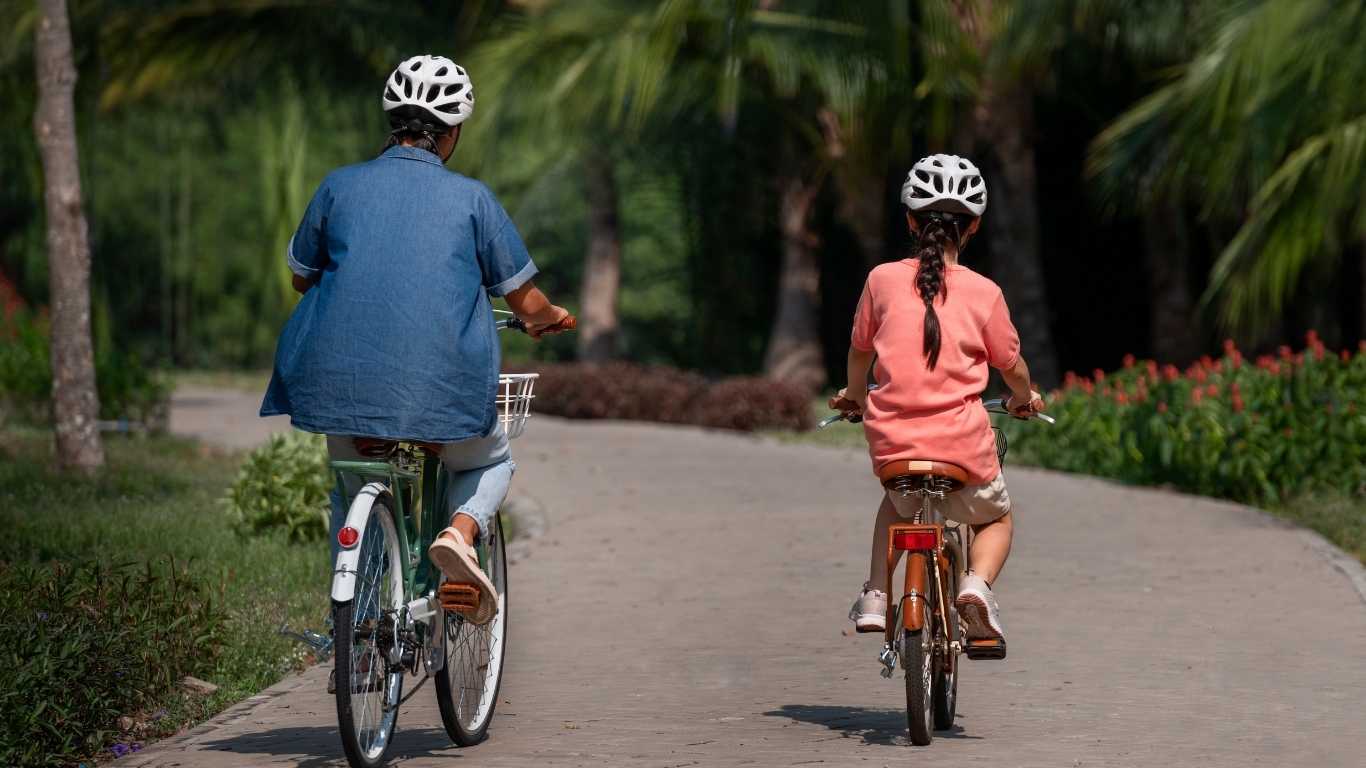
A Borobudur cycling tour is a guided cultural ride through rural Central Java. Travelers use standard bicycles or e-bikes depending on route length and terrain. Guides lead small groups to ensure safety and personal interaction.
The tour differs from temple-focused sightseeing. Instead of concentrating on monuments, it highlights daily life surrounding Borobudur. Guests observe farming, craft production, and social routines.
This structure appeals to travelers who prefer learning through movement and context. The pace encourages curiosity rather than rushed exploration.
Villages around Borobudur function as living cultural spaces. Residents farm, craft, trade, and socialize much as they have for generations. Cycling allows visitors to pass through without isolating themselves.
Bicycles access narrow paths and informal roads vehicles cannot use. This access reveals areas untouched by mass tourism. Travelers experience real environments rather than curated attractions.
Local guides often come from these villages. Their familiarity adds insight into traditions, seasons, and community relationships.
Craft traditions remain active throughout Borobudur villages. Many families supplement farming income through handmade goods. Cycling routes often pass workshops integrated into homes.
This part of the tour connects culture with economy. Crafts appear as daily activity rather than staged demonstrations. Travelers gain perspective on how tradition adapts to modern life.
Understanding these crafts becomes easier when placed within the wider context of village life and other things to do near Borobudur Temple complete travel guide often explored by travelers.
Pottery workshops appear near clay-rich riverbanks. Artisans shape household items using simple tools and sun-drying methods. Visitors often watch the process from start to finish.
Bamboo and wood craftsmanship supports furniture and agricultural needs. Craftsmen carve, weave, and assemble items beside their homes. The work reflects practical design rather than souvenir trends.
Some villages host small-scale textile or batik-related activities. These operations often involve family members sharing tasks across generations.
Craft production rarely functions as a full-time business. Farmers create goods during off-seasons or after fieldwork. This balance preserves flexibility and stability.
Family involvement defines the process. Children assist with preparation while elders handle skilled steps. Knowledge transfers informally through observation.
Cycling tours allow visitors to observe without interrupting workflows. Respectful distance keeps interactions natural and authentic.
Human connection defines the Borobudur cycling tour more than landmarks. Villagers greet cyclists with curiosity rather than performance. Conversations emerge organically during brief stops.
These interactions build mutual respect. Visitors learn through listening rather than guided lectures. Cultural understanding develops through shared presence.
To appreciate these moments, travelers should recognize how encounters happen and what behavior maintains harmony.
Greetings occur naturally along village roads. Residents smile, wave, or exchange simple phrases. These moments require no translation to feel genuine.
Guides often facilitate short conversations. Topics include farming cycles, weather, or family activities. Interaction remains casual and respectful.
Children often approach cyclists with curiosity. These exchanges add warmth without disrupting routines.
Visitors should dress modestly and behave calmly when passing homes. Loud behavior or intrusive movement breaks social norms. Guides usually explain expectations before departure.
Photography requires sensitivity. Asking permission avoids discomfort and shows respect. Many villagers welcome photos when approached politely.
Following these practices preserves positive relationships. Respect ensures village tourism remains welcome rather than disruptive.
A Borobudur cycling tour offers perspective beyond monuments. Villages, crafts, and daily interactions reveal the living culture that surrounds the temple. Cycling creates access that vehicles and walking tours cannot match.
This experience suits travelers who value connection, movement, and learning. It works especially well for those seeking balance between activity and cultural depth. Time spent cycling often becomes the most memorable part of a Borobudur visit.
Jotuu supports immersive travel experiences across Java. Programs such as Yogyakarta 5 Days Tour and Central Java 6 Days Tour allow travelers to combine Borobudur cycling with broader cultural exploration across the region.


