
How to Book Borobudur Activity Tours Easily and Quickly
16 March 2026
 Published on 21 December 2025
 811x views


Most travelers come to Borobudur for its temple, then move on to the next destination. Yet the story of the area continues well beyond the stone walls. A Borobudur village tour introduces daily life, local traditions, and landscapes that shape the monument’s surroundings.
Villages around Borobudur maintain farming routines, small home industries, and community-led tourism practices. These elements rarely appear in standard itineraries, even though they reflect the region’s cultural rhythm more closely than major landmarks.
To experience this side of Borobudur, travelers can choose between cycling routes or VW local tours. Both options encourage a slower pace and create space for genuine interaction with residents rather than brief photo stops.
A village tour focuses on lived experiences instead of landmarks alone. It connects travelers with local environments, routines, and community stories.
This approach contrasts with short temple visits that prioritize photos and schedules. Village-based tourism values time, interaction, and context. These tours usually run at a relaxed pace and adapt to local conditions.
To understand how this works in practice, it helps to define what a Borobudur village tour includes and why many visitors overlook it.
A Borobudur village tour introduces travelers to everyday village environments near the temple. Routes pass through farming paths, residential areas, and local workshops. Guides often come from the community and share firsthand knowledge.
Unlike temple-only tours, village tours focus on interaction rather than structure. Travelers witness farming methods, water management, and home industries. This creates a grounded understanding of local culture.
The experience complements temple visits rather than replacing them. Many travelers choose village tours after seeing Borobudur to deepen cultural context.
Most itineraries focus on UNESCO landmarks due to limited travel time. Tour operators often compress schedules to cover multiple attractions quickly, which explains why many travelers overlook things to do near Borobudur Temple, a complete travel guide when planning.
Many visitors also assume rural areas offer little variety. In reality, villages hold diverse experiences that require slower exploration. These experiences rarely fit rigid schedules.
Transport routes further restrict access. Village tours solve this issue through local paths and guidance.
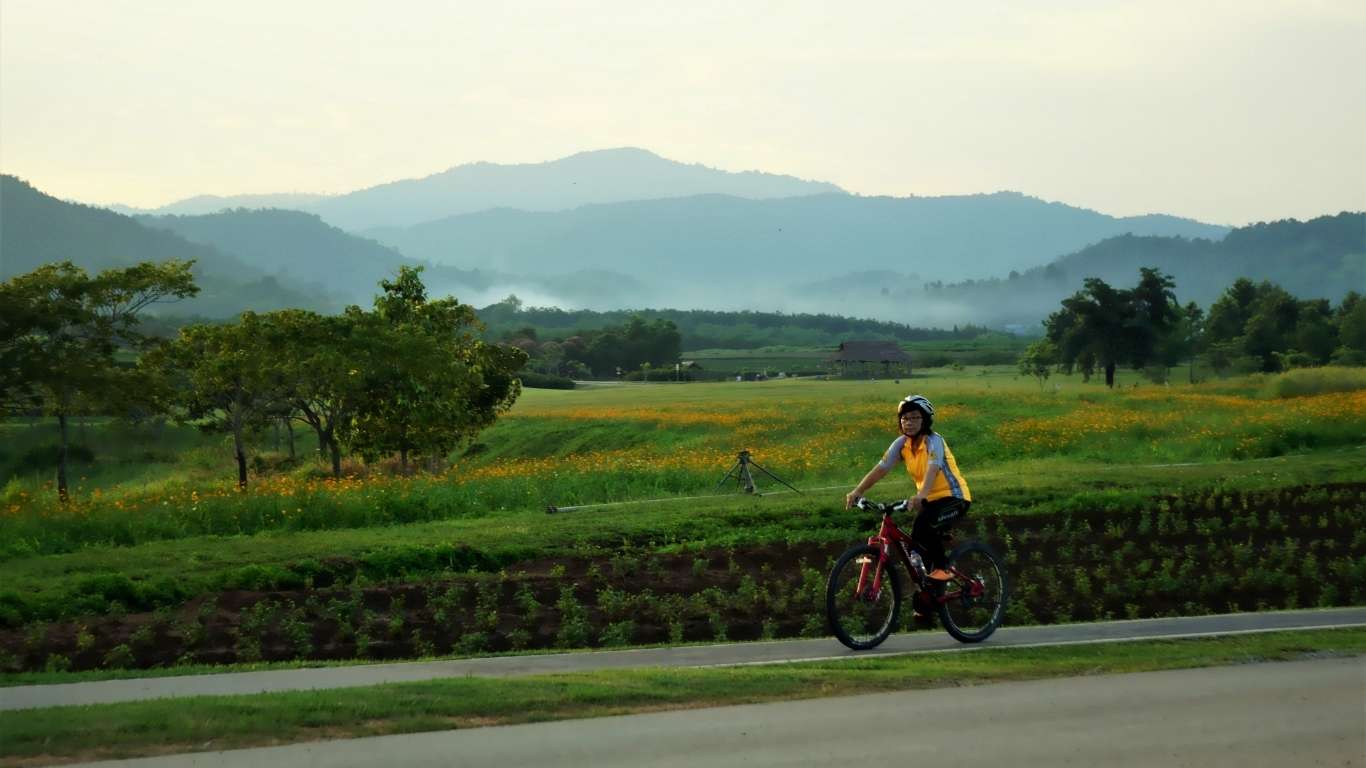
Cycling offers direct access to narrow paths and countryside routes. It allows travelers to move quietly through villages without disrupting daily activities.
This format suits travelers who want physical activity combined with cultural learning. Routes are generally flat and manageable for casual cyclists.
Cycling tours typically follow loops that connect fields, rivers, and settlements. Each stop adds context to village life.
Routes pass through rice fields sustained by traditional irrigation systems. Farmers often work these fields during morning hours.
Small village roads connect family homes, temples, and schools. Riverside trails provide shade and natural breaks.
The landscape changes gradually, offering views of Mount Merapi and the surrounding hills.
Travelers see daily routines such as planting, drying crops, or feeding livestock. These moments provide insight into seasonal rhythms. Children and residents frequently greet cyclists, creating informal cultural exchanges. Many travelers pair this village experience with experiencing Borobudur Temple, Yogyakarta, Indonesia, at sunrise to balance cultural immersion and heritage highlights.
Local guides explain farming techniques and water management systems. Conversations often happen naturally during stops. Children and residents frequently greet cyclists, creating informal cultural exchanges.
Cycling tours are ideal for active travelers who enjoy moderate exercise. Families with older children often choose this option.
The experience suits visitors who prefer independence within a structured framework. It also appeals to repeat visitors seeking a deeper context.
VW village tours offer a slower pace without physical effort. These classic vehicles have become symbols of community tourism in Borobudur.
Local cooperatives manage many VW tours. This model keeps tourism revenue within villages. The route design prioritizes storytelling over distance; each stop reflects a local narrative.
VW safari cars entered the Borobudur tourism decades ago. Their open design suits narrow roads and warm weather.
Villagers adopted these vehicles as a sustainable transport option. Over time, they became part of the local identity.
Drivers often act as informal guides, sharing personal stories.
Tours usually stop at traditional houses and communal areas. Visitors observe architecture adapted to climate and social needs.
Home industries such as batik, tofu production, and pottery appear along the route. Artisans explain processes directly. Short visits keep the experience dynamic without rushing.
Community members manage routes and schedules collectively. This structure supports fair income distribution.
Storytelling comes from lived experience rather than scripts. Travelers hear how tourism affects village life. This sense of ownership strengthens cultural preservation.
Village tours suit travelers seeking authentic experiences beyond monuments. Repeat visitors often find new perspectives through local interaction.
Families and slow travelers appreciate flexible pacing. Content creators benefit from varied narratives and visuals.
The experience also fits those interested in sustainable tourism models.
Borobudur village tours reveal layers of culture often missed by standard visits. Cycling and VW routes connect travelers with people, landscapes, and traditions that define the area.
These experiences complement temple visits by adding context and depth. Travelers leave with stories rather than schedules.
For those planning extended exploration, Jotuu offers curated journeys, including the Yogyakarta 5 Days Tour, designed to balance heritage and local life.


