
Yogyakarta Travel Cost Comparison: Tour vs Solo Travel
18 June 2026
 Published on 17 January 2026
 392x views


Tours with flexible itineraries help travelers regain control over their travel experience. Instead of following rigid schedules, travelers can adapt plans based on energy levels, weather, or personal interests. This travel style has grown as travelers prioritize comfort and meaningful experiences over speed. Flexible itinerary tours respond to this shift by balancing structure with freedom.
Flexible tours allow adjustments without sacrificing logistics or safety. Travelers still benefit from planning support, transport, and local expertise. At the same time, they gain room for spontaneity and deeper engagement. This approach aligns with how people travel today.
Flexible itinerary tours deliver value beyond convenience. They shape how travelers experience destinations and manage time. Each benefit supports a smoother and more personal journey.
Flexible itineraries allow travelers to shape routes and activities around personal preferences. Cultural travelers may spend more time at heritage sites, while outdoor travelers can extend nature stops. Adjustments can happen before departure or during the trip. This personalization increases satisfaction and reduces rushed decisions.
Travelers can change plans when conditions shift. Rain may prompt a museum visit instead of an outdoor stop. Extra energy may lead to an unplanned local experience. According to UNWTO travel behavior studies, flexibility improves traveler confidence and decision quality. Control over time reduces frustration during unexpected delays.
Rigid schedules often create pressure to meet fixed times. Flexible tours reduce stress by allowing buffer time and alternative routes. Travelers still rely on a professional framework for transport and coordination. This balance supports relaxation without losing efficiency.
Flexibility helps travelers adjust spending based on priorities. Travelers may skip low-interest activities and reallocate budgets elsewhere. Some flexible tours also allow seasonal pricing adjustments. Google Travel trend data shows travelers increasingly value adaptable spending over fixed packages.
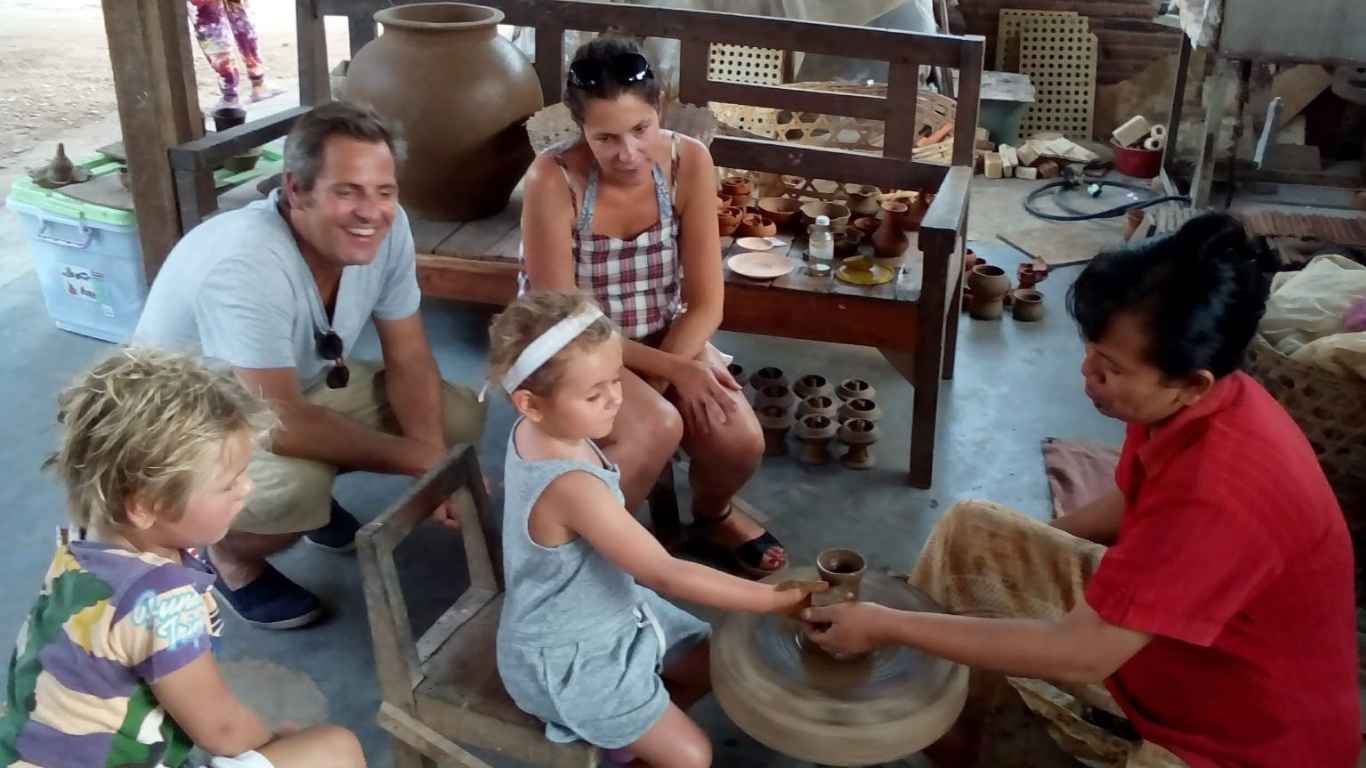
Not all flexible tours follow the same format. The level of adaptability depends on group size, leadership, and tour design. Understanding these differences helps travelers choose options that match specific interests, including niche experiences such as finding the best packages to book a golf tour in Yogyakarta.
These tours operate with small groups and adjustable pacing. Travelers share transport but can influence activity duration and optional stops. Group consensus guides minor changes without disrupting logistics. This format balances affordability and flexibility.
Private tours offer the highest level of control. Travelers decide start times, route order, and rest periods. Guides adapt pacing based on interest and stamina. This option suits families, photographers, and travelers with specific goals.
Flexibility changes how travelers connect with destinations. Instead of moving quickly between landmarks, travelers spend more time where interest builds naturally. This approach improves both memory and personal meaning.
Travelers can extend visits at places that resonate. Unexpected discoveries receive proper attention rather than being rushed. Cultural tourism studies show longer stays increase perceived trip value, especially on multi-destination routes like the best value Yogyakarta Tumpak Sewu Bromo Ijen tour packages.
Flexible tours allow activity swaps based on personal interest. Travelers may replace shopping stops with food experiences or cultural workshops. Adventure seekers can add physical activities when conditions allow, increasing relevance and enjoyment.
Local events often follow fluid schedules. Flexible itineraries make it possible to join festivals or community activities without disrupting the route. This freedom leads to deeper cultural insight rather than surface-level observation.
Flexible pacing reduces transit fatigue. Travelers avoid peak congestion by shifting times. Routes adapt to real conditions instead of fixed assumptions. The result feels smoother and less exhausting.
Tours with flexible itineraries support how people travel today. They reduce stress, improve comfort, and deepen experiences without removing structure. Travelers gain freedom while still relying on professional planning.
For those seeking adaptable travel in Indonesia, Jotuu offers formats aligned with this approach through options like the Karimunjawa 3 Days Tour and the Yogyakarta to Bali 5 Day Borobudur Bromo and Ijen Tour, both designed to balance structure with choice.


