Best Ways to Travel Around East Java During 4 Days
24 November 2025
 Published on 20 January 2026
 389x views


Mount Bromo and Ijen Crater consistently rank among the most searched natural landmarks in Indonesia. East Java attracts travelers who want to experience volcanoes, waterfalls, and cultural cities along one continuous route. Planning the best ways to travel around East Java during 4 days helps visitors manage long distances without rushing key experiences.
East Java sits on the eastern edge of Java Island and connects major land routes, airports, and rail lines. The region offers a mix of urban history, highland landscapes, and active volcanic areas. Four days allow enough time to explore highlights while maintaining a realistic travel pace.
Surabaya serves as the primary entry point for East Java trips, with Juanda International Airport and major train stations providing access. Starting here reduces travel friction and allows gradual movement toward the highlands. Many travelers arrive early to maximize sightseeing time.
Surabaya reflects Indonesia’s history of independence and modern urban life. Tugu Pahlawan provides context about the Battle of Surabaya and national identity. House of Sampoerna offers insight into the local industry and colonial architecture.
Surabaya Zoo and Kota Tua add contrast between green spaces and heritage streets. According to Indonesia’s Ministry of Tourism, Surabaya ranks among the top transit cities for domestic and international travelers. One day here builds cultural context before nature-focused days ahead.
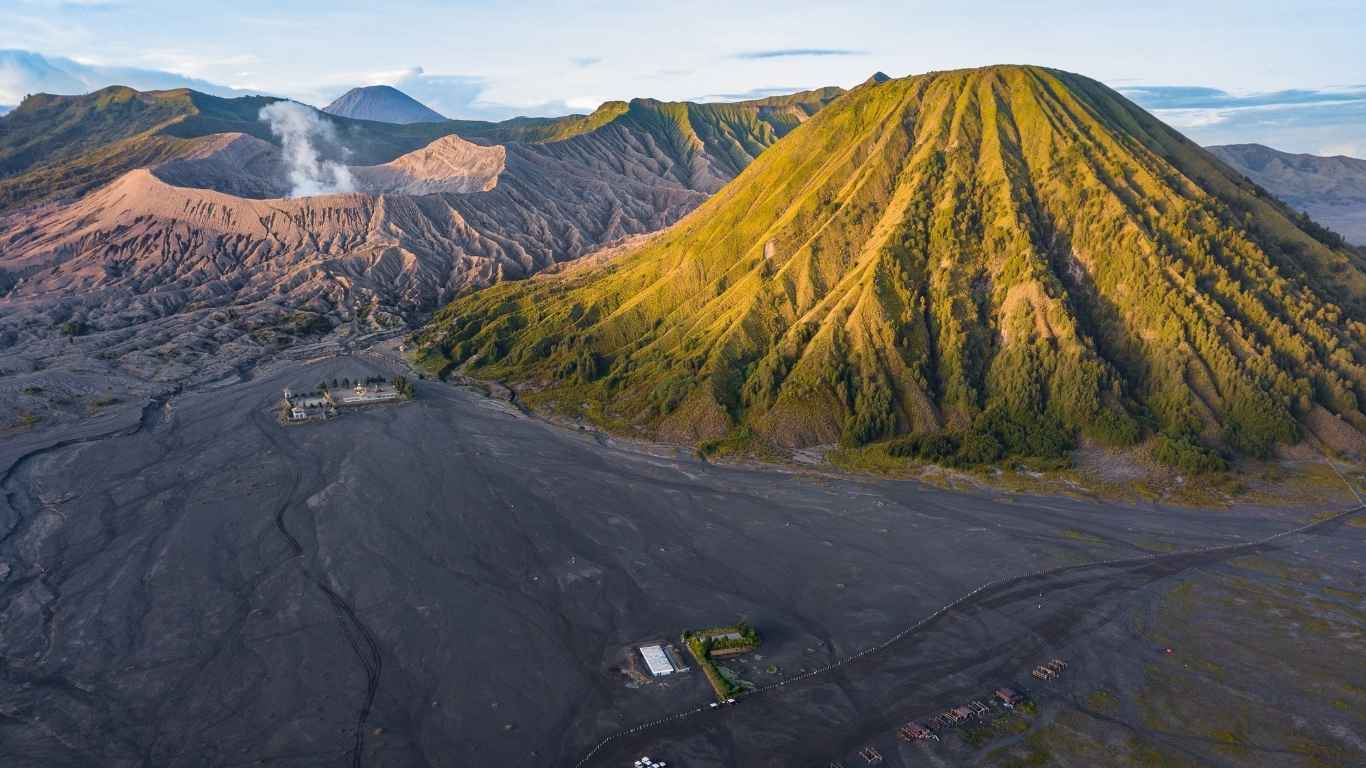 National Park
Bromo Tengger Semeru National Park covers over 800 square kilometers of volcanic terrain. The park is home to Mount Bromo, Mount Batok, and Mount Semeru, the highest volcano in Java. UNESCO recognizes the Tengger region for its unique cultural landscape.
Sunrise viewpoints such as Penanjakan remain the main draw for visitors. Temperatures often drop below 10°C, so layered clothing becomes essential. Jeep tours operate before dawn to navigate sandy terrain efficiently.
Crater exploration allows travelers to walk up Bromo’s stairs and observe volcanic activity safely. Photography spots across the Sea of Sand provide wide-angle views throughout the morning. Travelers often include this experience within a complete itinerary for the East Java 4 Days Tour, exploring top destinations to balance travel time and energy.
Malang sits at a higher elevation than Surabaya, creating cooler weather and a relaxed pace. The city blends colonial architecture with student culture and local markets. Many travelers use Malang as a base for nearby waterfalls.
Tumpak Sewu Waterfall lies about two hours from the city and borders East Java and Central Java. The waterfall features a curtain-style flow surrounded by cliffs. National Geographic Indonesia highlights it as one of Java’s most photogenic waterfalls.
Coban Rondo Waterfall offers easier access and short hiking trails. Pine forests and clear paths make it suitable for moderate fitness levels. Spending the night in Malang reduces travel fatigue before the final volcanic hike.
Ijen Crater sits on the eastern edge of East Java near Banyuwangi. The hike starts at night to reach the summit before sunrise. The trail spans about three kilometers with a steady incline.
The blue fire phenomenon results from ignited sulfur gas and appears before dawn. The Geological Agency of Indonesia confirms Ijen as one of the few places worldwide where this occurs naturally. Gas masks are mandatory due to sulfur exposure.
As daylight rises, the turquoise crater lake becomes visible. Sunrise over Ijen offers a calm conclusion to an active itinerary. Rangers recommend checking volcanic status updates before planning visits.
An East Java 4-Day Trip combines city history, volcanic landscapes, and natural landmarks within a logical route. Proper timing, rest balance, and local guidance improve safety and enjoyment. Travelers seeking structured planning often prefer curated options like an East Java 4 Days tour to simplify logistics.
Jotuu.com supports travelers with route planning, local coordination, and realistic scheduling. Their experience across Java destinations helps visitors focus on the journey rather than transport details.


